In the Ḥanafī school, legal rulings (masā’il) are categorised into three main sources: Ẓāhir ar-Riwāyah, Nawādir, and Nawāzil. In this article, I will give a brief introduction to the categories of Ḥanafī Masā’il books…

Previously "The Hadith Disciple"
In the Ḥanafī school, legal rulings (masā’il) are categorised into three main sources: Ẓāhir ar-Riwāyah, Nawādir, and Nawāzil. In this article, I will give a brief introduction to the categories of Ḥanafī Masā’il books…

Hagiography, by definition, presents the lives of saints or revered figures with the primary aim of imparting spiritual lessons. These works are not subjected to the same rigorous scrutiny as historical or hadith-based reports, as their purpose is more focused on…
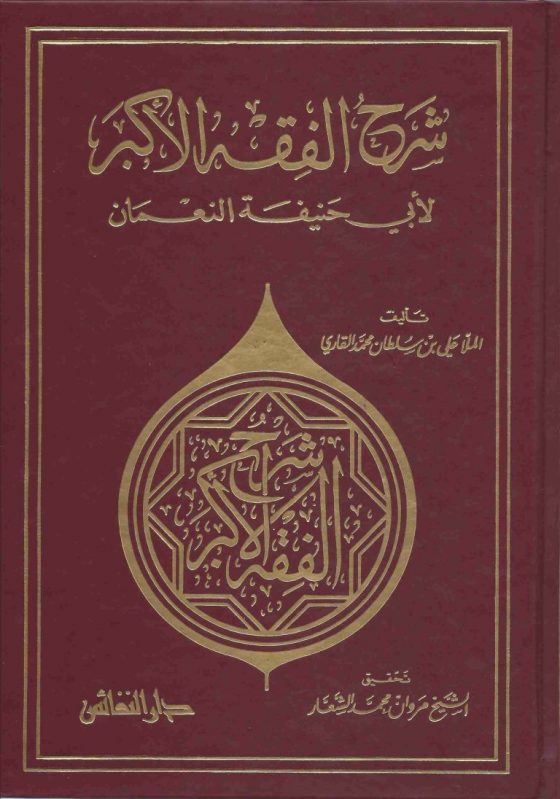
Of these five works, one—Risāla ilā ʿUthmān al-Battī—is generally accepted as being correctly attributed to Imām Abū Ḥanīfa. Two of the remaining works are reliably traced back to his students, though it remains a matter of debate whether they reflect Imām Abū Ḥanīfa’s own words or those of his disciples.

An enthusiast of knowledge (mutadhawwiq al-ʿilm) is someone who has a passion for knowledge, possesses familiarity with certain subjects, books, and scholars, and may even engage with scholars or students of knowledge.
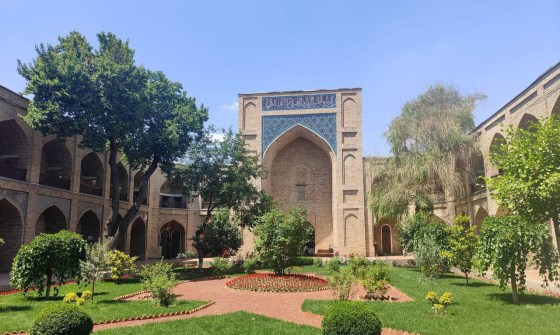
“Your grandfather studied in the Dār al-Muʿallimīn madrasa when he was in Uzbekistan.” These were my mother’s words on the final voice note she sent me, wishing me a safe trip to Uzbekistan.

This article will delve into the specific motives driving the compilation of ṭabaqāt works. Furthermore, a closer look is taken at five prominent works within the Hanafi tradition…

During these auditions, an invigilator (مُثْبِت الأسماء or مُثَبِّت السَّمَاع or كاتِب الطِّباق) was appointed to meticulously record the names of attendees and absentees, along with any relevant information, in a register (طَبَقَة plural = طِبَاق).

Firstly, it is important to consider whether you want to seek knowledge just for yourself i.e. to understand what Allāh Taʾālā has obligated, forbidden upon you, or, you want to seek knowledge on a scholarly level, to get guidance and be a source of guidance for others…
This is a common question, and the answer to it is quite circumstantial. Therefore, some people might find a few of the following suggestions impractical. Thus, every individual can make a different decision based on their unique interests, abilities, and circumstances. The following are only a few suggestions on what one can do after graduating from the ʿālimiyyah course…

One obstacle, however, is that in this era brimming with potential distractions, some students find it difficult to read. Thus, below I aim to list a few general tips that might help with motivating and disciplining one to read more often.
 Hadithiyya