Takhrij (تخريج) is a crucial science in the study of Hadith , which involves the proper sourcing and referencing of Hadiths. There is no single, rigid way to perform takhrīj.

Previously "The Hadith Disciple"
Takhrij (تخريج) is a crucial science in the study of Hadith , which involves the proper sourcing and referencing of Hadiths. There is no single, rigid way to perform takhrīj.

In the Ḥanafī school, legal rulings (masā’il) are categorised into three main sources: Ẓāhir ar-Riwāyah, Nawādir, and Nawāzil. In this article, I will give a brief introduction to the categories of Ḥanafī Masā’il books…

In understanding when and how one may leave their madhhab due to ḥaraj, it is crucial to differentiate between three key categories of necessity and need in Islamic law…

Hagiography, by definition, presents the lives of saints or revered figures with the primary aim of imparting spiritual lessons. These works are not subjected to the same rigorous scrutiny as historical or hadith-based reports, as their purpose is more focused on…

The debate over taqlīd originally focused on whether ṭullāb (students of knowledge) and scholars could engage in taqlīd, rather than the layperson. Scholars like Imām al-Shawkānī, Ibn al-Qayyim, and to some extent, Ibn Taymiyyah, believed that…

Of these five works, one—Risāla ilā ʿUthmān al-Battī—is generally accepted as being correctly attributed to Imām Abū Ḥanīfa. Two of the remaining works are reliably traced back to his students, though it remains a matter of debate whether they reflect Imām Abū Ḥanīfa’s own words or those of his disciples.

An enthusiast of knowledge (mutadhawwiq al-ʿilm) is someone who has a passion for knowledge, possesses familiarity with certain subjects, books, and scholars, and may even engage with scholars or students of knowledge.
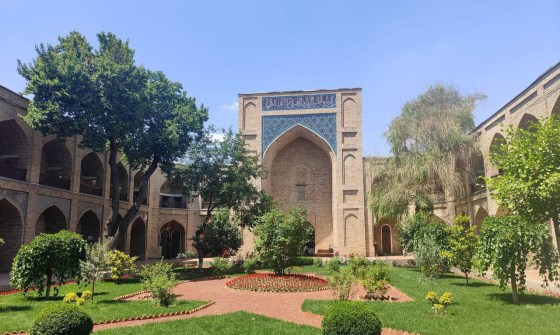
“Your grandfather studied in the Dār al-Muʿallimīn madrasa when he was in Uzbekistan.” These were my mother’s words on the final voice note she sent me, wishing me a safe trip to Uzbekistan.

This article will examine one of the corrections that Aisha made, specifically regarding Umar’s stance on abstaining from performing additional prayer after ‘Asr until the end of sunset. Additionally, this study will analyse a passage from a PhD dissertation by Sofia Rehman, an admirer of the feminist writer Fatema Mernissi. Rehman translates various reports from Imam Zarkashi’s collection but interprets them through a feminist and liberalist lens. Her work contains errors related to the basics of the science of hadith which we will take a look at.
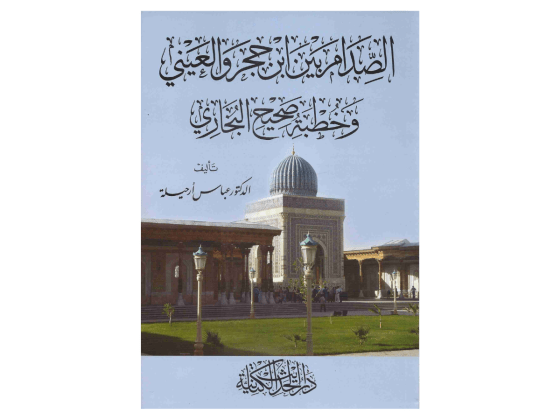
This is regarding the academic rivalry between Imām Ibn Ḥajar and Imām al-ʿAynī, two 9th-century scholars who wrote their own their individual commentaries on Ṣaḥīḥ al-Bukhārī…

Every ignoramus with a wifi connection and a platform possesses the unwarranted liberty of speaking on various matters of Dīn, and erring gravely in the process. This includes transmitting out-of-context excerpts plucked from lengthy books…

There are three main reasons for this:
1. To make its falsehood known: Muḥammad ibn Rāfiʿ says, “I saw Aḥmad ibn Ḥanbal in the gathering of Yazīd ibn Hārun with the book of (Zuhayr from Jābir al-Juʿfī— a liar) I said to him: ‘Why do you prevent us from Jābir al-Juʿfī but write from him yourself?’ He replied: ‘So that we may recognise him (as a fabricator and thus be able to distinguish his fabricated ḥadīth from the sound ones).'”…

Sometimes one encounters anomalous names such as “Ghundar” and “Ābi ‘l-Laḥm” and considering their meanings wonder, what a strange name? In this article, I have selected some of the most common and interesting titles/nicknames (alqāb) of narrators from a few books and briefly explained what they translate to, where they originate from, and what was the reason why narrators were given them. I have listed all nicknames in alphabetical order (Arabic)…
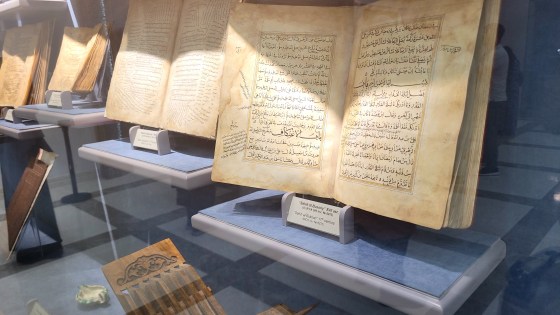
Imām al-Bukhārī does not usually repeat a ḥadīth with the same chain. Instead, when repeating a ḥadīth, he narrates it with a new chain according to the requirement of each chapter.

This article will delve into the specific motives driving the compilation of ṭabaqāt works. Furthermore, a closer look is taken at five prominent works within the Hanafi tradition…

