Takhrij (تخريج) is a crucial science in the study of Hadith , which involves the proper sourcing and referencing of Hadiths. There is no single, rigid way to perform takhrīj.

Previously "The Hadith Disciple"
Takhrij (تخريج) is a crucial science in the study of Hadith , which involves the proper sourcing and referencing of Hadiths. There is no single, rigid way to perform takhrīj.

In the Ḥanafī school, legal rulings (masā’il) are categorised into three main sources: Ẓāhir ar-Riwāyah, Nawādir, and Nawāzil. In this article, I will give a brief introduction to the categories of Ḥanafī Masā’il books…

In understanding when and how one may leave their madhhab due to ḥaraj, it is crucial to differentiate between three key categories of necessity and need in Islamic law…

Hagiography, by definition, presents the lives of saints or revered figures with the primary aim of imparting spiritual lessons. These works are not subjected to the same rigorous scrutiny as historical or hadith-based reports, as their purpose is more focused on…

The debate over taqlīd originally focused on whether ṭullāb (students of knowledge) and scholars could engage in taqlīd, rather than the layperson. Scholars like Imām al-Shawkānī, Ibn al-Qayyim, and to some extent, Ibn Taymiyyah, believed that…
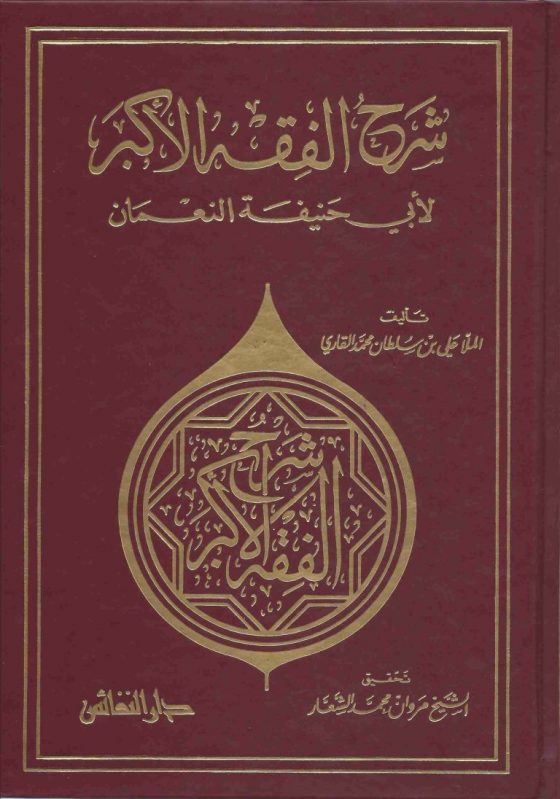
Of these five works, one—Risāla ilā ʿUthmān al-Battī—is generally accepted as being correctly attributed to Imām Abū Ḥanīfa. Two of the remaining works are reliably traced back to his students, though it remains a matter of debate whether they reflect Imām Abū Ḥanīfa’s own words or those of his disciples.

An enthusiast of knowledge (mutadhawwiq al-ʿilm) is someone who has a passion for knowledge, possesses familiarity with certain subjects, books, and scholars, and may even engage with scholars or students of knowledge.
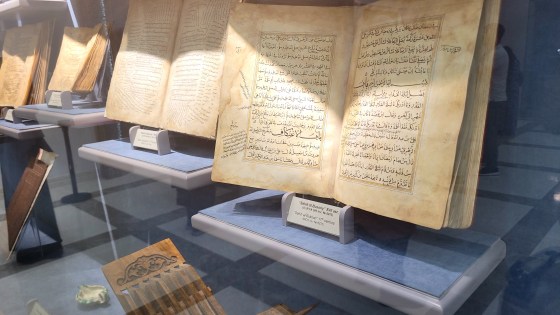
Imām al-Bukhārī does not usually repeat a ḥadīth with the same chain. Instead, when repeating a ḥadīth, he narrates it with a new chain according to the requirement of each chapter.
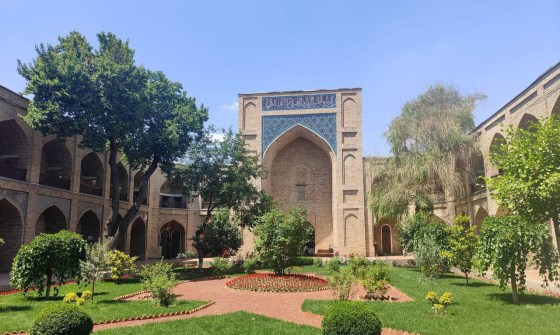
“Your grandfather studied in the Dār al-Muʿallimīn madrasa when he was in Uzbekistan.” These were my mother’s words on the final voice note she sent me, wishing me a safe trip to Uzbekistan.

This article will delve into the specific motives driving the compilation of ṭabaqāt works. Furthermore, a closer look is taken at five prominent works within the Hanafi tradition…
 Hadithiyya