Aisha’s Corrective of the Companions: Offering Two Units After Asr

This article will examine one of the corrections that Aisha made, specifically regarding Umar’s stance on abstaining from performing additional prayer after ‘Asr until the end of sunset. Additionally, this study will analyse a passage from a PhD dissertation by Sofia Rehman, an admirer of the feminist writer Fatema Mernissi. Rehman translates various reports from Imam Zarkashi’s collection but interprets them through a feminist and liberalist lens. Her work contains errors related to the basics of the science of hadith which we will take a look at.


How Can I Bring Myself to Read More Often?

One obstacle, however, is that in this era brimming with potential distractions, some students find it difficult to read. Thus, below I aim to list a few general tips that might help with motivating and disciplining one to read more often.

Mawḍūʿāt in Ḥadīth: Signs, Books & Examples

There are three main reasons for this:

1. To make its falsehood known: Muḥammad ibn Rāfiʿ says, “I saw Aḥmad ibn Ḥanbal in the gathering of Yazīd ibn Hārun with the book of (Zuhayr from Jābir al-Juʿfī— a liar) I said to him: ‘Why do you prevent us from Jābir al-Juʿfī but write from him yourself?’ He replied: ‘So that we may recognise him (as a fabricator and thus be able to distinguish his fabricated ḥadīth from the sound ones).'”…

Some General Advice for Dawra al-Ḥadīth Students

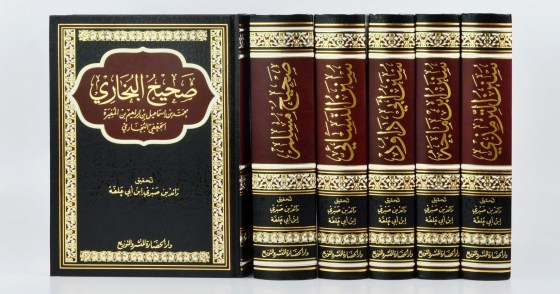
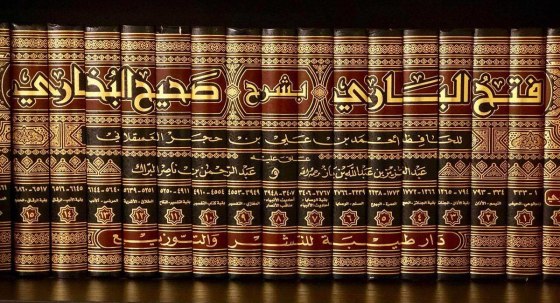
Some common questions of students going into Bukhārī year (final year of the Nizāmī curriculum) are: How should I prepare? Which commentaries should I invest in? Which books should I refer to for further reading and research? Below is my humble attempt at listing a few tips that came to mind…