Takhrij (تخريج) is a crucial science in the study of Hadith , which involves the proper sourcing and referencing of Hadiths. There is no single, rigid way to perform takhrīj.

Previously "The Hadith Disciple"
Takhrij (تخريج) is a crucial science in the study of Hadith , which involves the proper sourcing and referencing of Hadiths. There is no single, rigid way to perform takhrīj.
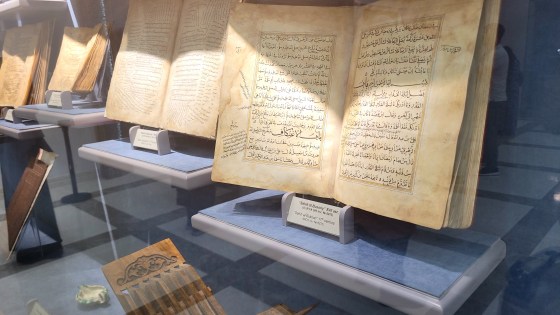
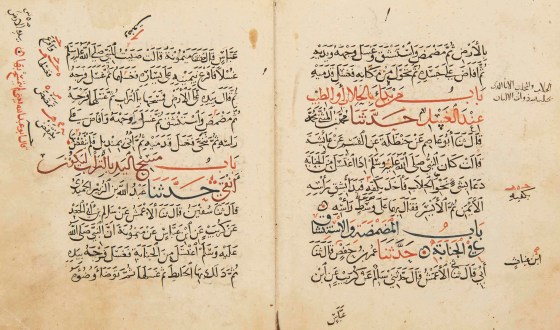
Imām al-Bukhārī does not usually repeat a ḥadīth with the same chain. Instead, when repeating a ḥadīth, he narrates it with a new chain according to the requirement of each chapter.

During these auditions, an invigilator (مُثْبِت الأسماء or مُثَبِّت السَّمَاع or كاتِب الطِّباق) was appointed to meticulously record the names of attendees and absentees, along with any relevant information, in a register (طَبَقَة plural = طِبَاق).

This article will examine one of the corrections that Aisha made, specifically regarding Umar’s stance on abstaining from performing additional prayer after ‘Asr until the end of sunset. Additionally, this study will analyse a passage from a PhD dissertation by Sofia Rehman, an admirer of the feminist writer Fatema Mernissi. Rehman translates various reports from Imam Zarkashi’s collection but interprets them through a feminist and liberalist lens. Her work contains errors related to the basics of the science of hadith which we will take a look at.
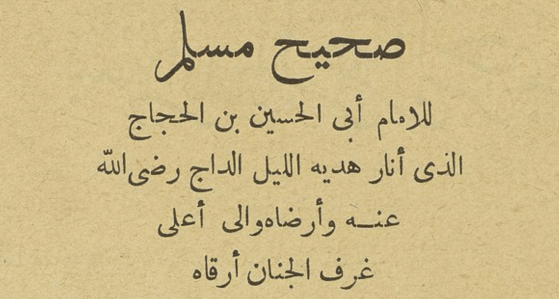
First reason: Imām Muslim did not meet Imām Bukhārī until the later part of Imām Bukhārī’s life, after Imām Muslim had completed the 15-16 year compilation of his Ṣaḥīḥ…
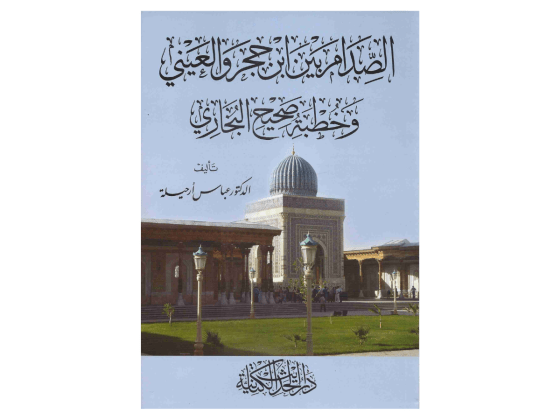
This is regarding the academic rivalry between Imām Ibn Ḥajar and Imām al-ʿAynī, two 9th-century scholars who wrote their own their individual commentaries on Ṣaḥīḥ al-Bukhārī…

Every ignoramus with a wifi connection and a platform possesses the unwarranted liberty of speaking on various matters of Dīn, and erring gravely in the process. This includes transmitting out-of-context excerpts plucked from lengthy books…

There are three main reasons for this:
1. To make its falsehood known: Muḥammad ibn Rāfiʿ says, “I saw Aḥmad ibn Ḥanbal in the gathering of Yazīd ibn Hārun with the book of (Zuhayr from Jābir al-Juʿfī— a liar) I said to him: ‘Why do you prevent us from Jābir al-Juʿfī but write from him yourself?’ He replied: ‘So that we may recognise him (as a fabricator and thus be able to distinguish his fabricated ḥadīth from the sound ones).'”…
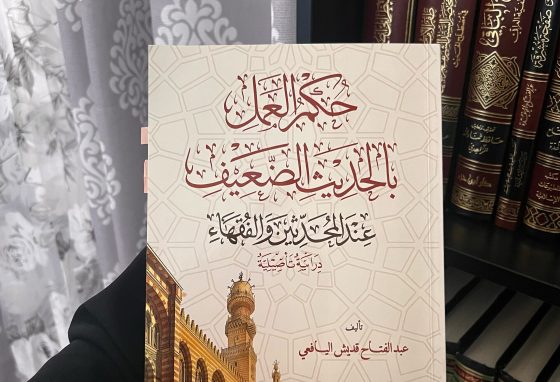
Ḥukm al-ʿAmal bi al-Ḥadīth ʿinda ‘l-Muḥaddithīn wa ‘l-Fuqahāʾ by Shaykh ʿAbdul Fattāḥ al-Yāfiʿī is an excellent contemporary work on the ruling of using ḍaʿīf aḥādīth (weak narrations). It summarises the multifaceted discussions on the topic in only 60 pages, making it easy for the reader to become acquainted with the main points on the topic.
When a muḥaddith says “هذا حديث صحيح” it means that that ḥadīth meets…
 Hadithiyya